MYNE Report: Holiday Home Ownership: A Changing Landscape
MYNE’s Special UK Research Report highlights how the holiday home sector is undergoing a significant transition, moving away from traditional models of full, rarely-used ownership toward more flexible, sustainable, and professionally managed approaches.
MYNE Report: Holiday Home Ownership: A Changing Landscape
An introductory letter from Nikolaus Thomale, Founder and MD of MYNE
We founded MYNE in 2021 with a vision to reimagine holiday home ownership for a changing world. We wanted to make the dream of having a place abroad more accessible, more flexible, and more aligned with the way people live today.
This report, Holiday Home Ownership: A Changing Landscape, reflects a truth: the desire for a holiday home has not faded. But modern travelers are looking for something different from the traditional model of second home ownership. They want a place they can return to, without the burden of managing it. They want luxury and quality, but not complexity.
At the same time, governments and regulators across many destinations are placing increasing pressure on the traditional full-ownership model. Concerns surrounding under-used second homes, empty beds for much of the year, and the strain this can place on local housing markets and communities are driving new regulations and restrictions. As a result, the landscape of holiday home ownership is evolving - pushing the industry to explore models that make better use of homes, while remaining attractive to modern travellers.
Looking ahead, the winners in this space will be those who combine flexibility, community awareness and effortless service. Multi-season living, professional management and seamless access will define the next generation of holiday home experiences.
The holiday home dream is alive, and evolving. At MYNE, we are proud to be helping shape what comes next.
Foreword from Jenny Southan, Founder and CEO of Globetrender
Holiday home ownership has long represented a powerful aspiration: the idea of having a personal sanctuary somewhere else in the world – a place to escape, reconnect and build memories over time.
But the meaning of ownership is evolving. Today's travellers are navigating a more complex set of priorities than ever before. They are balancing financial pragmatism with lifestyle ambition, personal enjoyment with social responsibility, and flexibility with a desire for permanence. At the same time, global conversations around housing pressures, overtourism and sustainability are reshaping how people think about the role of second homes in local communities. Against this backdrop, the traditional model of owning a rarely used second property is being reconsidered.
What we are seeing instead is the emergence of a more adaptive approach to holiday living - one that prioritises access over exclusivity; efficiency over excess; and experience over ownership for its own sake. Consumers increasingly want a "home away from home", but without the burdens of maintenance, underutilisation or logistical complexity.
This report reveals a clear shift towards intentional repeat travel, where people return to the same destinations because they value familiarity. In an age of constant novelty and digital overload, returning somewhere known offers emotional grounding.
At the same time, travelers are becoming more conscious of their impact. The idea of empty second homes sitting unused for much of the year is increasingly viewed as socially problematic, particularly in destinations facing housing shortages or seasonal economic imbalance.8
As a result, new models of holiday home ownership are emerging that better align with modern lifestyles: flexible, professionally managed and community-conscious. Rather than diminishing the aspiration of owning a holiday home, these shifts suggest it is being redefined. Ownership is becoming less about possession and more about participation in a place.
The next chapter of overseas living will be shaped by models that combine lifestyle access with operational simplicity and social awareness. For consumers, the appeal lies in enjoying the benefits of a personal retreat abroad without the friction traditionally associated with owning one. For the industry, the opportunity lies in creating smarter systems that allow people to belong somewhere - while ensuring destinations themselves can thrive.
Holiday Home Ownership: A Changing Landscape
Summary: Holiday Home Ownership: A Changing Landscape
Section 1: Repeat Travel and the 'Return Economy'
Section 1, titled "Repeat Travel and the 'Return Economy'" details a fundamental shift in traveler behavior away from "bucket list" novelty toward intentional, regular returns to familiar destinations.
Key points from this section include:
Emergence of the "Return Economy": Travelers are increasingly seeking places where they feel a sense of belonging rather than just collecting new destinations.
Growing Interest in Regular Bases: Nearly 47% of respondents find having a regular base abroad appealing, and 61% are interested in returning to the same destination.
Functional Motivations: Familiarity with logistics, flights, and local infrastructure reduces planning friction, with 37% of travelers citing convenience as a primary reason for returning.
Emotional Drivers: Connection to the local community (37%), special memories (36%), and a sense of belonging (36%) are significant reasons for repeat visits.
Holiday Homes as "Emotional Infrastructure": A holiday home serves as a stable anchor for these recurring travel patterns, allowing owners to build deeper relationships with local businesses and participate in community life.
Lifestyle Shifts: The rise of remote and hybrid work enables longer, more frequent stays, allowing travelers to establish semi-permanent routines between their primary residence and their familiar holiday base.
Section 2: Social Impact is No Longer Fringe
Section 2 of the report, titled "Social Impact is No Longer Fringe," highlights how social responsibility and community impact have moved from niche concerns to mainstream considerations in the holiday home market.
Key points include:
Public Awareness of Over tourism: 65% of people are aware of public debates regarding over tourism and housing pressures. This awareness is increasingly influencing travel decisions and the ethics behind them.
Support for Regulatory Change: 56% of respondents support government actions to reduce the number of empty holiday homes. This sentiment aligns with new regulations, such as the UK's national register for short-term holiday lets.
Concerns Over Under-Utilised Homes: Under-used properties are increasingly seen as symbols of imbalance. Specifically, 35% of people are concerned about homes sitting empty, and 33% worry that tourism accommodation reduces housing availability for local residents.
Emphasis on Positive Local Impact: 57% of travellers believe travel should have a positive impact on local communities, and 56% say that supporting local businesses influences their travel choices.
A Shift Towards "Always-Used" Models: Models that maximize occupancy and integrate with local economies, such as co-ownership or managed letting programs, are expected to have stronger long-term legitimacy. These models contribute to more consistent local spending and a more balanced relationship between residents and visitors.
Section 3: The Multi-Season Property Wins
Section 3, "The Multi-Season Property Wins" focuses on the growing demand for year-round holiday home utility.
Year-Round Use: Travelers are moving away from single-season retreats toward "hybrid lifestyle assets" that support use in all seasons.
Consumer Interest: 57% of respondents find year-round active use models appealing, and 35% prefer properties specifically designed for all-season living.
Ethical Benefits: Multi-season use helps mitigate overtourism and supports local economies during quieter months, a motivation for 22% of travelers.
Lifestyle Flexibility: Remote and hybrid work allow for more frequent, longer stays (desired by 30%) and travel outside of traditional peak times (valued by 57%).
Economic Stability: Consistent occupancy provides destinations with a steadier economic ecosystem and more reliable demand for local businesses.
Section 4: The Shift from Asset-Based Aspiration to Access-Based Ease,
Section 4, "The Shift from Asset-Based Aspiration to Access-Based Ease," outlines how the definition of luxury in holiday home ownership is changing from total possession to frictionless access.
Luxury as Convenience: Modern owners increasingly value the absence of effort over full outright ownership, with 59% defining luxury as a streamlined, hassle-free experience.
Appeal of Service: There is high demand for fully serviced homes (66%) and professional management (33%) to avoid the burdens of maintenance and repairs, which 38% find off-putting.
Operational Ease: The focus is shifting toward "access-based ease," where owners can arrive and enjoy their home immediately without administrative or operational responsibilities.
Flexible Ownership Models: Alternative structures like co-ownership are becoming more popular as practical solutions that balance premium access with affordability and convenience.
Priority on Flexibility: Flexible usage is critical for 58% of travelers, aligning with a desire to avoid crowds (65%) and travel outside peak periods (57%).
Rethinking the Dream: The future of holiday home ownership
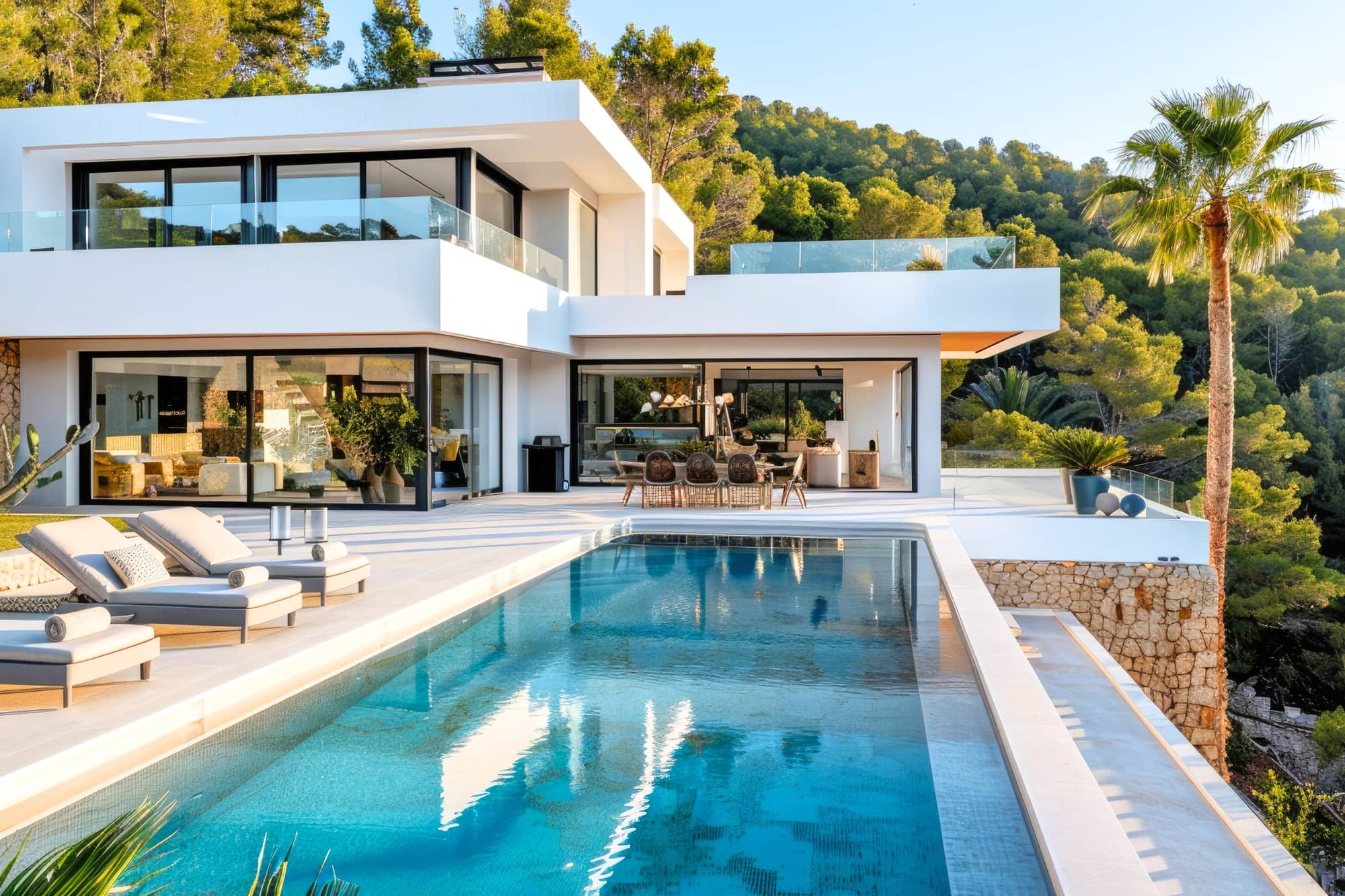
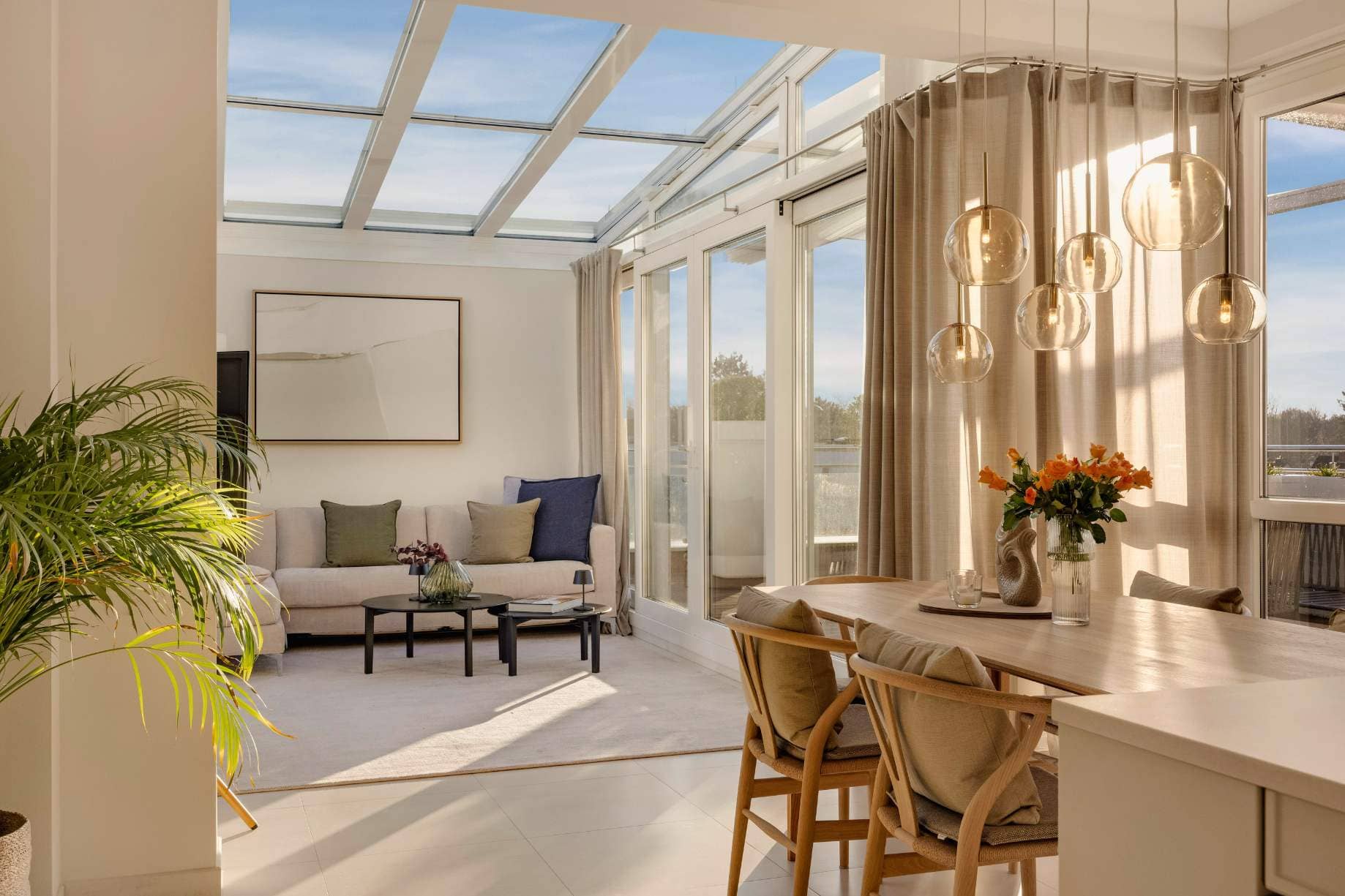
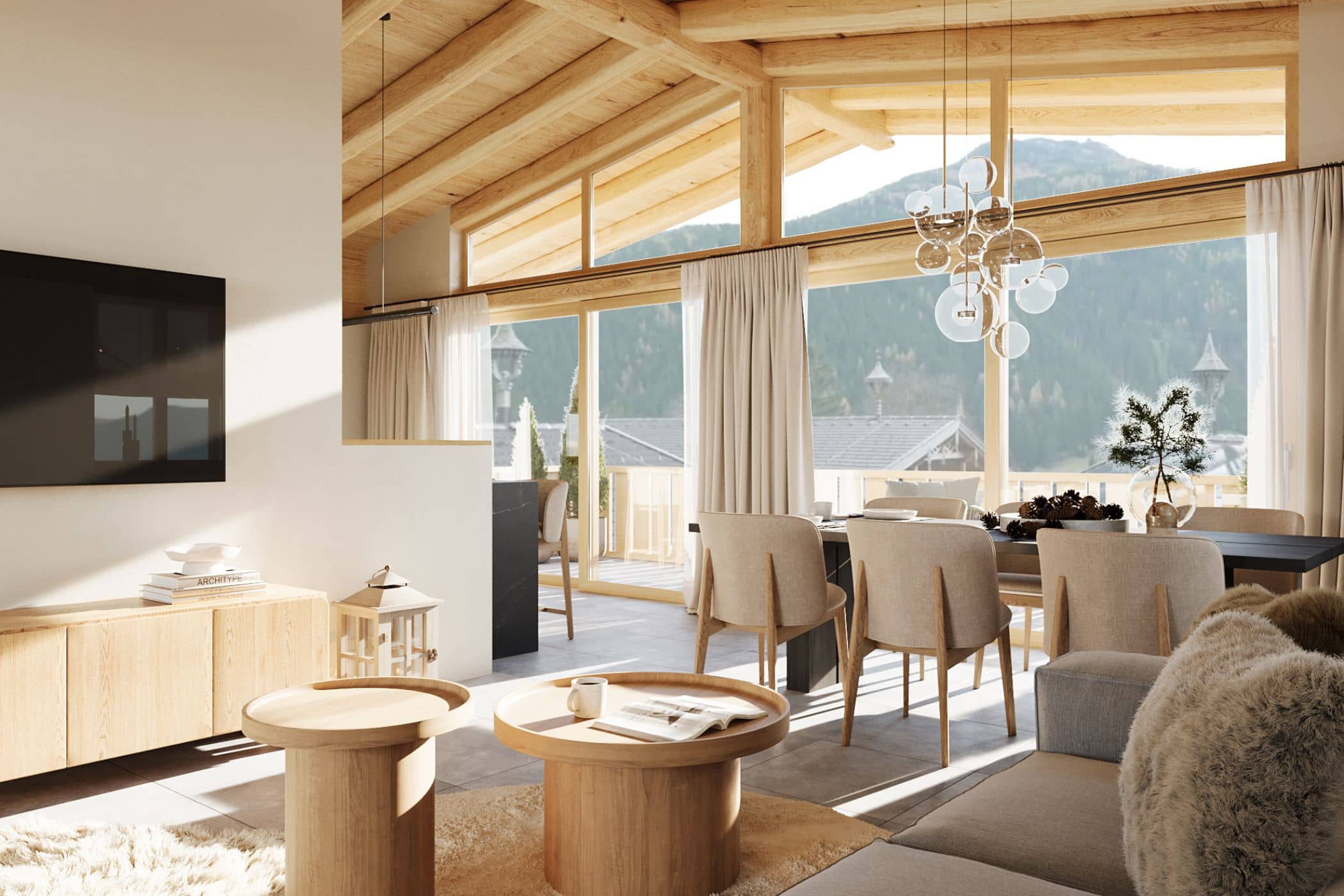
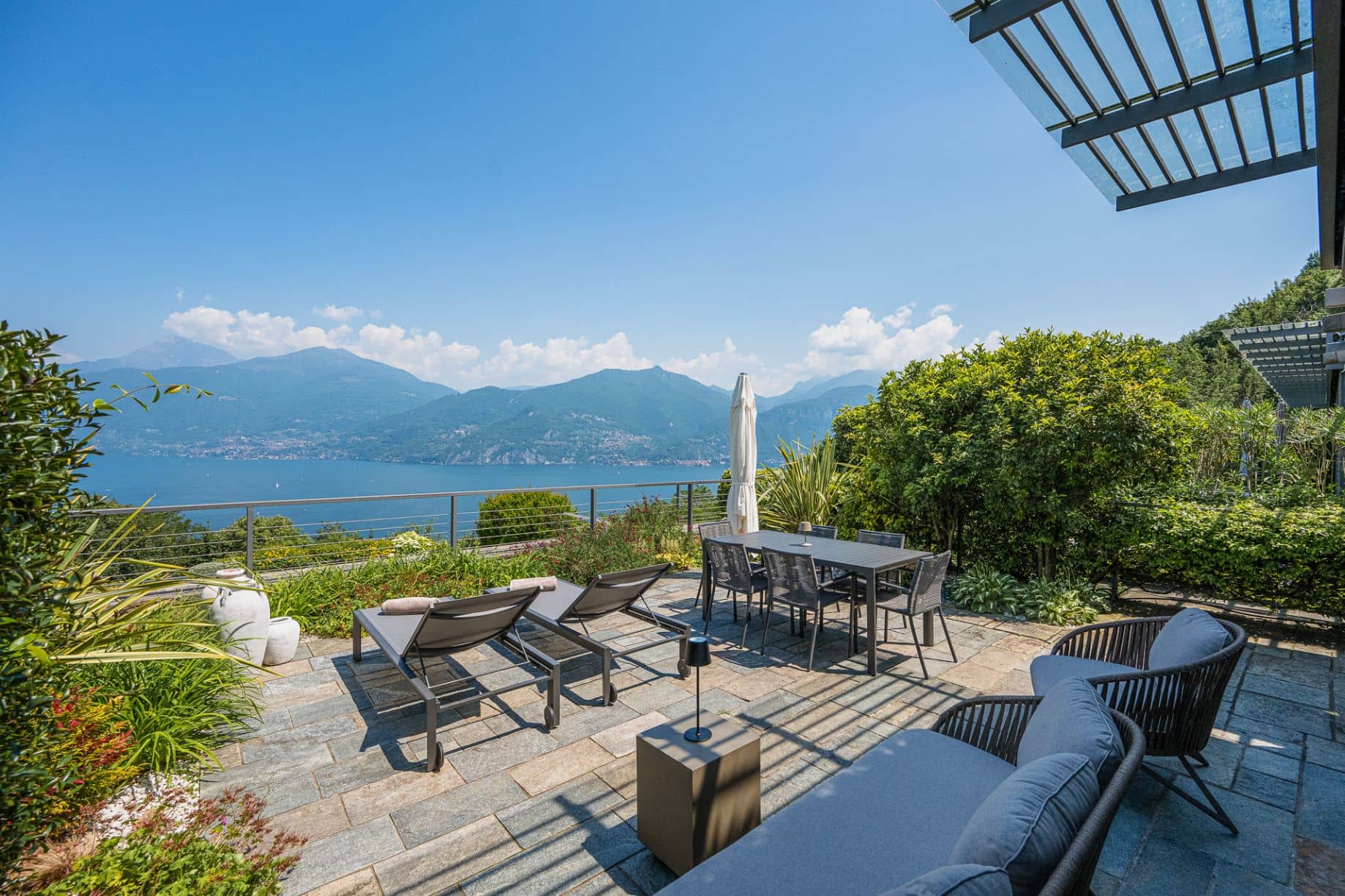
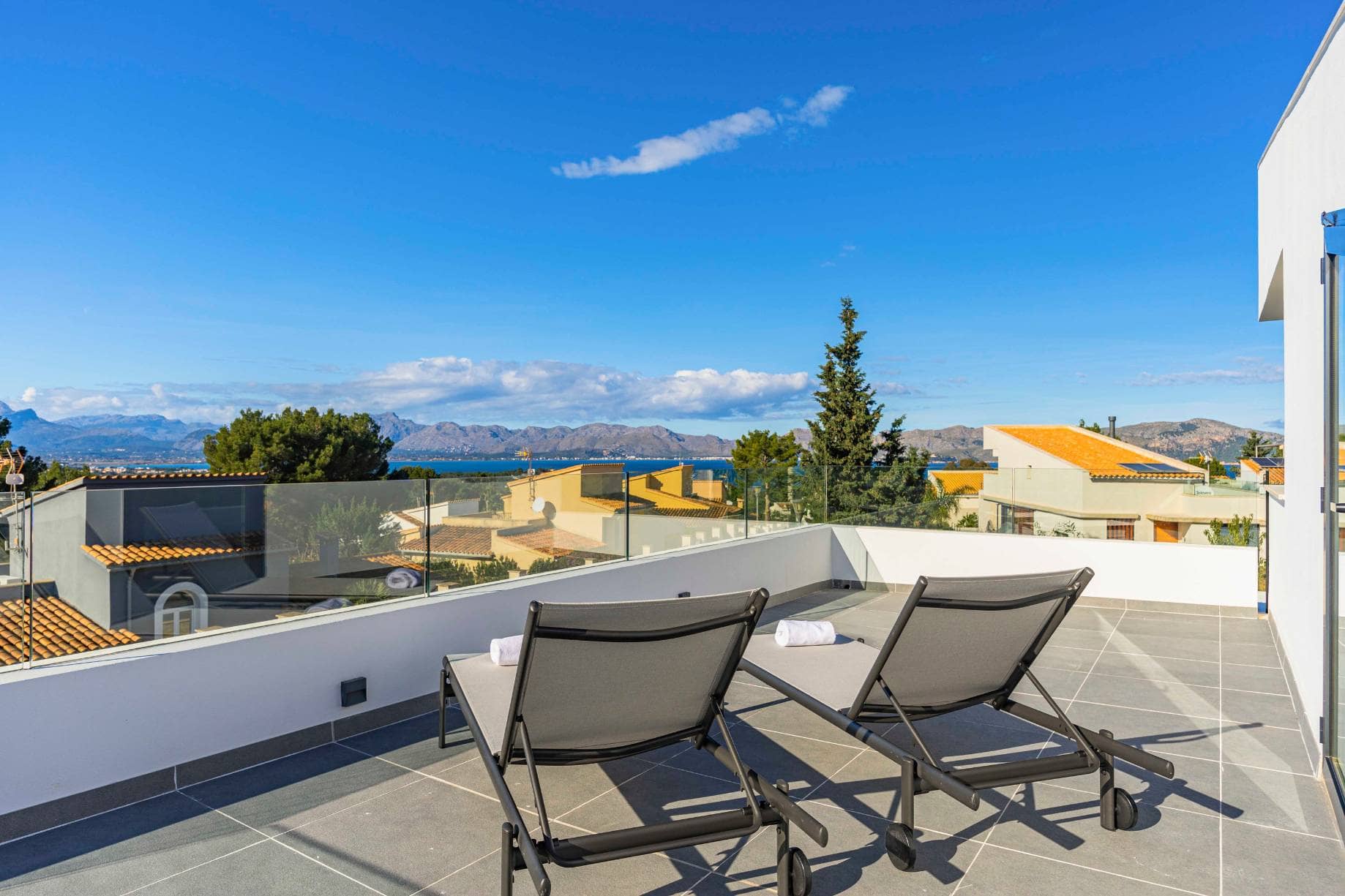
At MYNE we offer a hassle free, end-to-end service that takes care of everything for its clientele - allowing you to enjoy your home, whether it’s by the coast or tucked up in the mountains.
MYNE homes are furnished with the highest-quality furniture, appliances, and homewares from brands that include Schramm, Miele, Eichholtz, Dyson, and Weber.
Shares in MYNE holiday homes cost between £99,000 and £900,000, with properties available across 9 European countries.
Frequently Asked Questions (FAQs)
Our most popular dream holiday homes in Europe

Register to explore dream holiday homes
Fyll i formuläret så skickar vi information om semesterboenden som vi tror att du är intresserad av!